

Having trouble with a corrupted mouse cursor? Don’t worry, we’ve got the fix you need! (Focus Keyword: corrupted mouse cursor fix) If you’ve ever experienced a jumpy, frozen, or disappearing cursor on your computer screen, we know how frustrating it can be. But fear not, we’re here to help you troubleshoot and resolve this issue in no time. So let’s dive in and get your mouse cursor back on track!
Imagine you’re in the middle of an intense gaming session or trying to work on an important project when suddenly your cursor starts acting up. It’s like having a mischievous gremlin playing tricks on your screen! Well, fret not, because we’ve got some tricks up our sleeve to help you banish that corrupted mouse cursor.
In this article, we’ll show you step-by-step methods to fix a corrupted mouse cursor on Windows and Mac computers. From updating drivers to adjusting settings, we’ll cover all the bases so you can get back to smooth and seamless cursor movements. So, let’s get started on this journey and bid farewell to that pesky, corrupted mouse cursor once and for all!
1. Restart your computer.
2. Update your mouse driver.
3. Clean your mouse and mouse pad.
4. Disable any conflicting software.
5. Perform a system scan for malware.
6. Reset your mouse settings.
7. Check for Windows updates.
These troubleshooting steps should help resolve any issues with a corrupted mouse cursor and get it back to normal in no time.
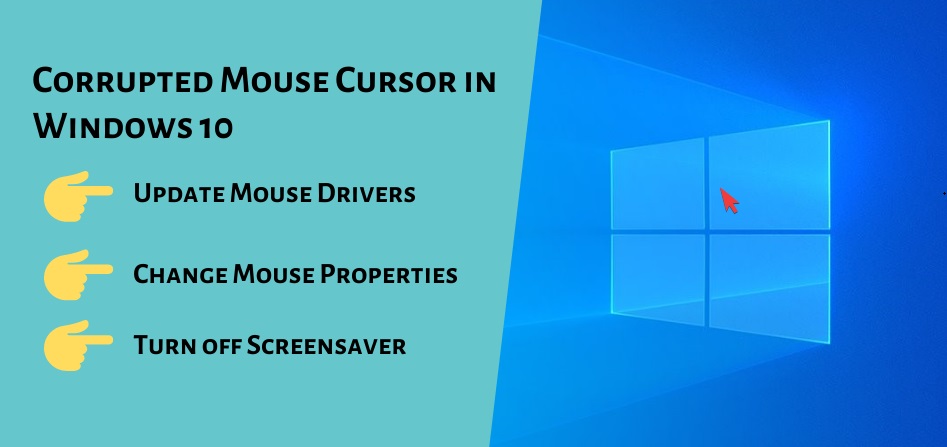
Corrupted Mouse Cursor Fix: Troubleshooting Tips and Solutions
What Causes a Corrupted Mouse Cursor?
A corrupted mouse cursor is a frustrating issue that can greatly impact your productivity. But what exactly causes this problem? There are a few factors that could contribute to a corrupted mouse cursor. One common cause is outdated or incompatible mouse drivers. If your operating system doesn’t have the necessary drivers to communicate with your mouse properly, it can lead to cursor corruption. Another culprit could be a glitch or bug in your operating system, which can cause the cursor to display incorrectly or not at all. Lastly, it’s also possible that your mouse itself is faulty, with hardware issues that affect its performance and appearance.
To determine the specific cause of your corrupted mouse cursor, it’s essential to troubleshoot and eliminate each possibility one by one. By narrowing down the root cause, you’ll be better equipped to apply the appropriate fix and restore functionality to your cursor.
Updating Mouse Drivers
Outdated or incompatible mouse drivers can often be the cause of a corrupted mouse cursor. To fix this issue, you should start by updating your mouse drivers to the latest version. There are a few ways you can do this. First, you can check the manufacturer’s website and download the latest drivers directly from their support page. Make sure you select the driver that corresponds to your specific mouse model and operating system. Alternatively, you can use the Device Manager in Windows to automatically search for and install the latest drivers for your mouse. Simply right-click on the Start button, select “Device Manager,” expand the “Mice and other pointing devices” category, right-click on your mouse, and choose “Update driver.” Follow the on-screen instructions, and once the update is complete, restart your computer and check if the corrupted cursor issue has been resolved.
If updating the drivers doesn’t resolve the problem, you may want to consider uninstalling the mouse drivers completely and then reinstalling them from scratch. This can help eliminate any lingering issues or conflicts that may be causing the cursor corruption. To uninstall the mouse drivers, open the Device Manager, navigate to the “Mice and other pointing devices” category, right-click on your mouse, and select “Uninstall device.” After the drivers have been uninstalled, restart your computer and Windows will automatically reinstall the drivers. Test your mouse cursor to see if the corruption issue persists.
Fixing Glitches in the Operating System
If updating or reinstalling the mouse drivers didn’t resolve the issue, it’s possible that a glitch or bug in your operating system is causing the cursor corruption. In this case, performing a few system checks and repairs can help resolve the problem. Start by running a full system scan with your antivirus software to check for any malware or viruses that may be affecting your system. Malicious software can cause system instability and lead to various issues, including cursor corruption. Once the scan is complete and any threats have been removed, restart your computer and see if the cursor is back to normal.
If the issue persists, you can try running the System File Checker tool, which scans for corrupted or missing system files and repairs them. To run the System File Checker, open the Command Prompt as an administrator, type “sfc /scannow” (without quotes), and press Enter. The tool will automatically scan your system files and attempt to fix any issues it finds. After the scan is complete, restart your computer and check if the corrupted cursor problem is resolved.
If all else fails, you may need to consider reinstalling your operating system. This should be a last resort option, as it can be time-consuming and potentially result in data loss. Make sure to back up all important files and documents before proceeding with a fresh installation of your operating system. By starting with a clean slate, you can eliminate any underlying software issues that may be causing the cursor corruption.
Additional Tips to Prevent Cursor Corruption
Keep Your System Updated
Regularly updating your operating system and software is crucial for maintaining optimal performance and preventing issues like cursor corruption. Software updates often include bug fixes and security patches that can address underlying issues that may cause cursor problems. Set your system to automatically check for updates, or manually check for updates on a regular basis to ensure you have the latest versions installed.
Use Compatible Hardware
Using compatible hardware is key to preventing cursor corruption. Ensure that your mouse is compatible with your operating system and that you have the necessary drivers installed. Using generic or outdated mice may lead to compatibility issues that can cause cursor corruption or other malfunctions. Investing in a reputable brand and model of mouse can greatly reduce the likelihood of encountering cursor issues.
Regularly Clean Your Mouse
A dirty or malfunctioning mouse can also contribute to cursor corruption. Over time, dust and debris can accumulate on the sensor or the bottom of the mouse, affecting its ability to track movement accurately. Additionally, sticky or worn-out buttons can result in erratic cursor behavior. To prevent these issues, regularly clean your mouse using compressed air, a soft cloth, and a gentle cleaning solution. Ensure that your mouse is in good condition and free from any physical defects that could affect its performance.
Avoid Overloading Your System
An overloaded system can lead to various issues, including cursor corruption. Make sure you’re not running too many resource-intensive programs simultaneously, as this can strain your system and cause it to become unstable. Close any unnecessary applications and processes to free up system resources and reduce the likelihood of cursor issues. Additionally, consider upgrading your hardware if you frequently work with demanding applications or multitask heavily.
Conclusion
A corrupted mouse cursor can be a frustrating problem, but with the right troubleshooting steps, you can regain control and restore functionality to your cursor. By updating mouse drivers, fixing glitches in the operating system, and following preventive measures, you can minimize the chances of encountering cursor corruption. Remember to regularly update your system, use compatible hardware, clean your mouse, and avoid overloading your system. By taking these steps, you’ll be able to enjoy a smooth and responsive cursor experience, enhancing your productivity and overall computing experience.
Key Takeaways: Corrupted Mouse Cursor Fix
- Restarting your computer can often fix a corrupted mouse cursor.
- Updating your mouse drivers can resolve cursor corruption issues.
- Changing the mouse pointer scheme may help restore a corrupted cursor.
- Scanning for malware and viruses can rule out software conflicts affecting the mouse cursor.
- Performing a system restore to a previous stable state can fix a corrupted mouse cursor.
Frequently Asked Questions
Welcome to our Frequently Asked Questions section where we address common issues related to fixing a corrupted mouse cursor. Here, you’ll find answers that can help you troubleshoot and resolve any problems you may be experiencing. Read on to find solutions to your mouse cursor issues!
1. My mouse cursor is acting strange and behaving erratically. How can I fix it?
If your mouse cursor is jumping around or behaving erratically, there are a few potential solutions you can try. First, check if there is any dirt or debris on your mouse’s sensor or surface. Wipe it clean and see if that improves the cursor’s movement. Alternatively, try using a mouse pad or a different surface to see if that makes a difference.
If the issue persists, you can try updating or reinstalling the mouse drivers on your computer. Visit the manufacturer’s website to download the latest drivers, and then follow their instructions for installation. Restart your computer after the installation is complete, and check if the cursor behavior has improved.
2. Why does my mouse cursor freeze or disappear randomly?
If your mouse cursor freezes or disappears intermittently, there may be a few reasons behind this issue. One common cause is an outdated or incompatible mouse driver. To fix this, navigate to the Device Manager on your computer, locate the mouse driver, and right-click to update it. If an update is available, go through the installation process, and after the update is complete, restart your computer.
Another potential cause for the cursor freezing or disappearing is a conflict with other software or programs running on your computer. Try closing unnecessary applications and see if that resolves the issue. If not, you can try running a malware scan to check if any malicious software is interfering with your mouse cursor’s performance.
3. My mouse cursor is stuck in the corner of the screen. How do I fix it?
If your mouse cursor is stuck in the corner of the screen, one possible solution is to check your display settings. Right-click on your desktop and select “Display settings.” From there, make sure the resolution and scaling settings are set correctly. Adjust them as needed to ensure your screen is properly calibrated.
If the problem persists, you can try disconnecting and reconnecting the mouse from your computer. Unplug the mouse from the USB port, wait a few seconds, and then plug it back in. This can sometimes help reset the connection and resolve the issue.
4. My mouse cursor is lagging or moving sluggishly. How can I improve its performance?
If your mouse cursor is lagging or moving sluggishly, there are a couple of steps you can take to improve its performance. First, try reducing the mouse pointer speed in your computer’s settings. Go to the Control Panel or Settings menu and navigate to the Mouse settings. From there, adjust the pointer speed to a lower setting.
Another factor that can affect cursor lag is high CPU usage. Check your computer’s task manager to see if any processes are using excessive CPU resources. Close unnecessary programs or processes to free up system resources and improve mouse performance.
5. My mouse cursor is displaying the wrong pointer icon. How do I fix it?
If your mouse cursor is displaying the wrong pointer icon, the issue may be related to your mouse settings. Navigate to the Mouse settings in the Control Panel or Settings menu, and check if the correct pointer scheme is selected. You can also try changing the pointer scheme to a different one, apply the changes, and then switch back to your preferred scheme.
In some cases, a third-party application or software may be causing the issue. Try closing any background applications or programs that may be interfering with your mouse cursor settings. If all else fails, restart your computer, as this can sometimes resolve issues with the pointer icon.

How do I fix a corrupted mouse cursor?
Summary
So, to sum it all up, if your mouse cursor is acting weird on your computer, there are a few things you can try. First, check for any software updates or driver updates for your mouse. Then, try using a different USB port or even a different mouse to see if the problem persists. If none of these solutions work, it might be time to call in some technical support and get some expert help. Remember, computer problems can be frustrating, but with a little troubleshooting, you can get your mouse cursor back on track!